Begin your cultural deep-dive into Kerala’s elegant capital city. Unlike the typical tourist trail, this curated experience reveals layers of history, architecture, cuisine, and craftsmanship that most visitors never discover.
What to Expect: A intimate walking journey through time from royal Travancore heritage to vibrant contemporary bazaar life, guided by a local food historian who brings every corner alive with stories.
Napier Museum & Art Gallery (9:00 AM - 10:30 AM)
9:00 AM – Museum Complex: Art, Architecture & Antiquity
9:00 - 9:15 AM
Architectural Marvel Introduction
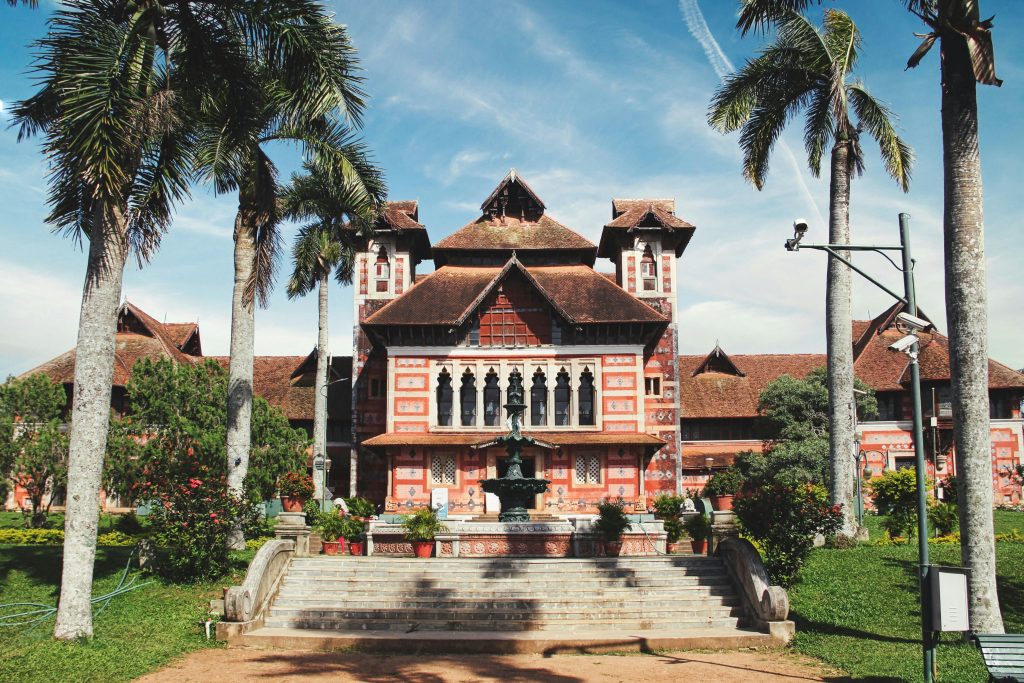
Arrive at the stunning Napier Museum, one of India’s oldest museums (established 1855), named after Lord Napier, the former Governor of Madras. The building itself is a masterpiece an Indo-Saracenic architectural wonder designed by Robert Chisholm, featuring:
Ornate wooden ceilings with intricate carvings
Natural ventilation system predating air conditioning
Gothic arches blending with Kerala architectural elements
Magnificent painted interiors in coral pink and ochre
Your guide explains the revolutionary ventilation techniques allowing natural cooling in tropical climate architectural genius from the 1870s.
9:15 - 10:00 AM
Bronze Gallery - The Crown Jewel
Rare Bronze Collections:
Chola Period Bronzes (9th-13th centuries): Exquisite Nataraja sculptures demonstrating lost-wax casting mastery Kerala Temple Bronzes: Rare ritual objects and deity figurines unique to Travancore traditions Musical Instruments: Ancient veenas, mridangams, and temple bells in bronze Ritual Objects: Ceremonial lamps (vilakkus), water vessels, and offering plates
What Makes This Special:
Your guide, versed in metallurgy and temple traditions, explains:
The symbolic significance of each deity’s posture (mudras) How lost-wax casting created such intricate details The spiritual purpose behind each sculpture’s proportions Stories of temple processions where these bronzes played roles
10:00 - 10:20 AM: Kerala Art & Ivory Collections
Historical Artifacts:
Ancient ivory carvings (pre-ban collection) showing royal patronage Traditional Kerala mural painting reproductions Historical manuscripts in palm leaf Weapons collection from Travancore royal armory Ethnographic displays of tribal Kerala
10:20 - 10:30 AM: Sri Chitra Art Gallery
Adjacent to the museum, this gallery houses:
Raja Ravi Varma’s original paintings (India’s most celebrated 19th-century artist) Works by Nicholas Roerich, Svetoslav Roerich Tanjore paintings with gold leaf and precious stones Miniature paintings from Rajput and Mughal schools Contemporary Kerala artists
Special Focus: Your guide shares stories of Raja Ravi Varma's revolutionary technique of painting Hindu deities in European realistic style creating images that defined how India visualizes its gods even today.
10:30 AM – 11:30 AM Padmanabhaswamy Temple
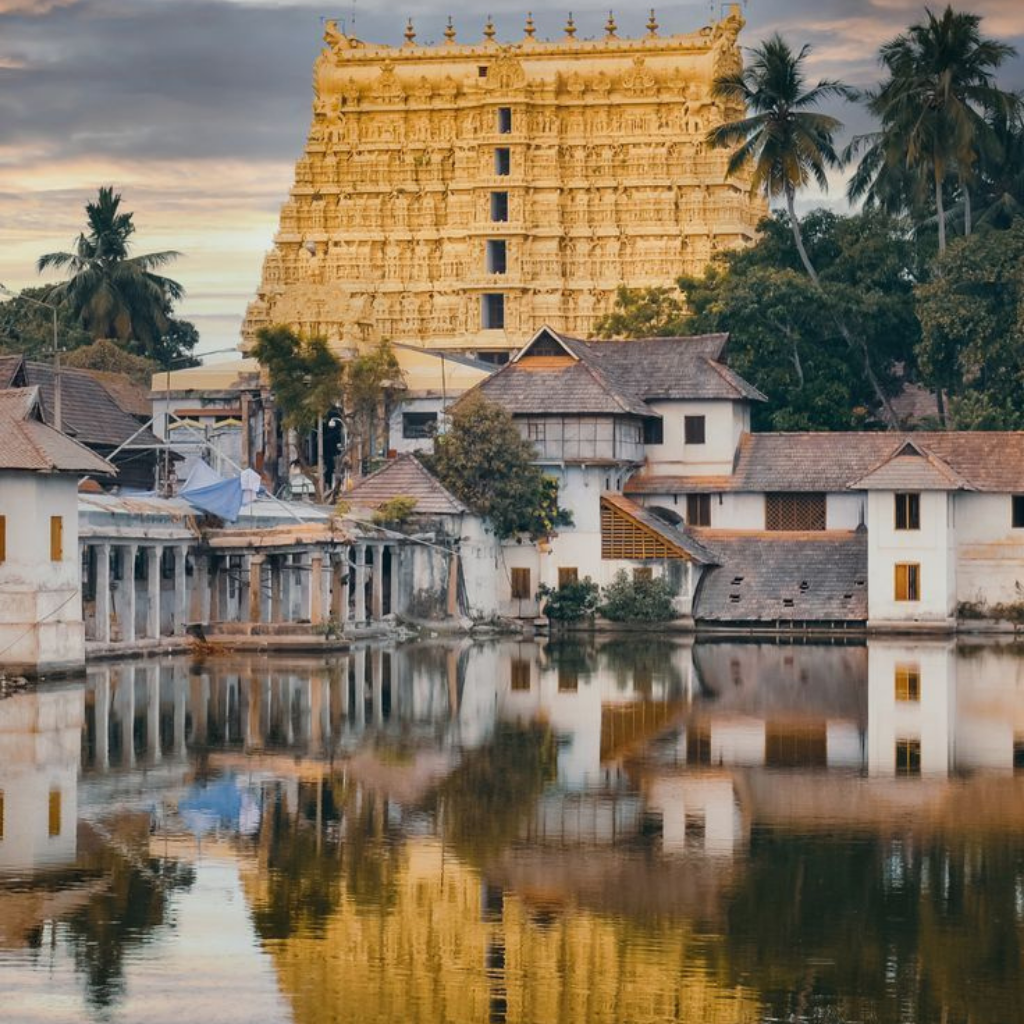
Sacred Architecture: Padmanabhaswamy Temple Exterior Heritage Tour
Important Note: Non-Hindus cannot enter the temple interior, but the exterior architecture tour is profoundly rewarding and respectful.
10:30 - 10:45 AM: Historical Context
Walk through the grand East Fort area to approach the temple. Your guide narrates:
Temple History:
Built in Dravidian architectural style with Kerala influences Dedicated to Lord Vishnu in Ananta Shayanam posture (reclining on serpent) Royal family of Travancore are eternal servants (Padmanabha Dasa) of the deity Recently discovered treasure vaults contained billions in gold (Supreme Court case ongoing) One of 108 Divya Desams (sacred Vishnu temples) in Vaishnavism
10:45 - 11:15 AM: Architectural Exterior Study
Circle the massive temple complex, examining:
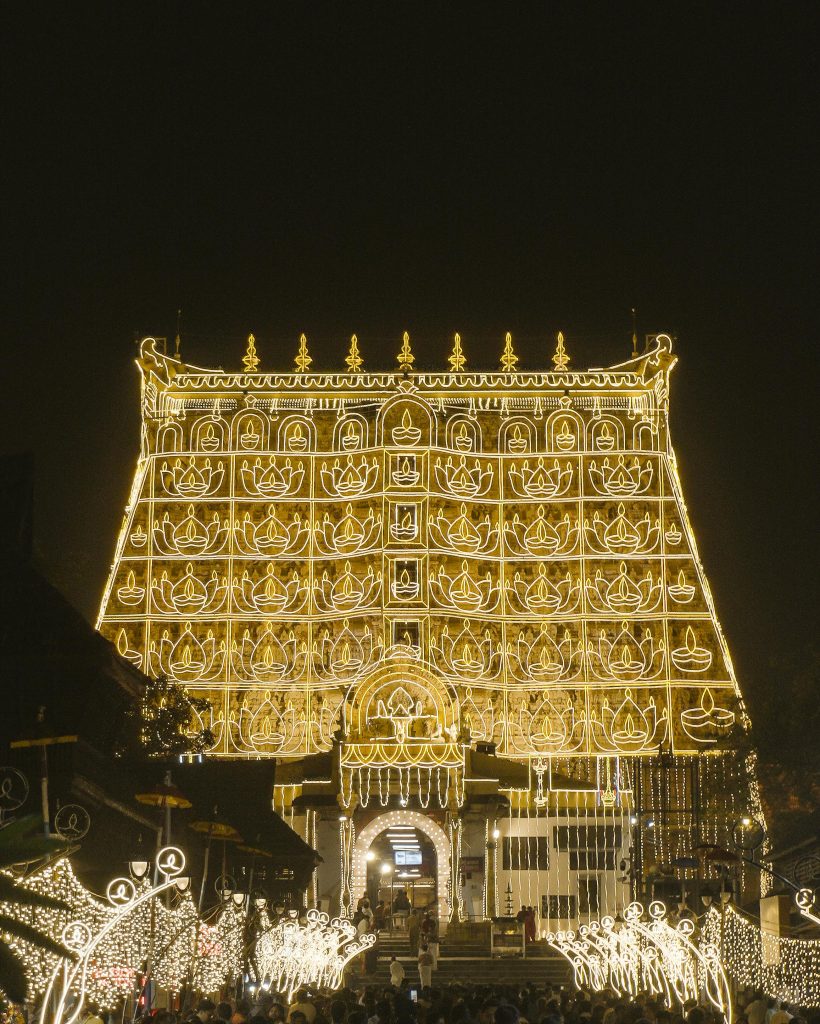
Gopuram (Temple Tower):
Seven-tiered structure rising 100+ feet Intricate granite and stucco sculptures depicting: Scenes from Ramayana and Mahabharata Floral and geometric patterns Guardian deities and celestial beings Typical Kerala temple tower style with layered rectangular tiers
Granite Walls & Fortress Design:
Massive stone walls creating fortress-like sanctity Strategic positioning integrating temple with royal palace Traditional measuring systems used in construction Symbolic cosmology in layout (representing Mount Meru)
Temple Tank (Padma Theertham):
Sacred bathing pond with steps on all sides Devotees bathing before temple entry (visible from outside) Architectural integration of water body Ritual significance explained
11:15 - 11:30 AM
Connection & Cultural Context
Padmanabhaswamy Palace Connection:
View the adjacent palace where Travancore royalty lived as servants of the deity. Learn about:
The unique tradition where kings ruled as representatives of Padmanabha Ceremonial protocols observed even today The treasure vault controversy and archaeological significance Festivals like Alpashi and Painkuni drawing massive crowds Dress Code Observed: Even for exterior viewing, modest dress is appreciated (covered shoulders, knees). Your guide ensures cultural sensitivity.
11:30 AM - First Food Stop: Morning Snacks
Authentic Thiruvananthapuram Breakfast (11:30 AM – 12:00 PM)
Location: Arya Nivas or similar traditional vegetarian restaurant near temple area
Tasting Menu:
1. Appam with Stew (Vegetable Ishtu)
Lace-edged rice pancakes with soft fermented centers Coconut milk stew with potatoes, carrots, and fragrant spices Understanding fermentation techniques for perfect appam
2. Puttu & Kadala Curry
Steamed rice flour cylinders layered with coconut Spicy black chickpea curry Traditional bamboo puttu-making demonstration (if available)
3. Filter Coffee
Authentic South Indian filter coffee Chicory blend from local roasters Traditional brewing in stainless steel filters
Food Historian Insights:
Your guide uses traditional Kani tracking methods reading animal prints, identifying scat, and interpreting bird alarm calls. The forest comes alive through their ancestral knowledge.
12:00 PM - Chalai Bazaar
The Heartbeat of Thiruvananthapuram
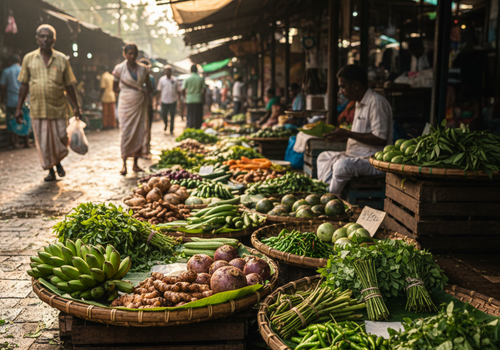
Enter Chalai Market’s legendary spice section operating in the same location for over 100 years
12:00 - 12:30 PM: Spice Alley Time Capsule
100-Year-Old Spice Merchants:
Family-run businesses spanning 4-5 generations
Traditional wooden weighing scales and measures
Spices stored in vintage tin containers
Hand-ground spice blends using stone mortars
Spice Education:
Authentic Thiruvananthapuram Breakfast (11:30 AM – 12:00 PM)
1. Cardamom Section:
Small green cardamom (Elettaria) vs large black (Amomum)
Grading systems: 6mm, 7mm, 8mm sizes
Aroma testing techniques
Price variations based on origin (Idukki vs. Tamil Nadu)
2. Pepper - Black Gold:
Whole peppercorns in various grades
White, black, and green pepper differences
Historical role in spice trade
Tellicherry vs. Malabar pepper distinctions
3. Dried Ginger & Turmeric:
Medicinal grades vs. culinary grades
Identifying quality through color and aroma
Traditional storage preventing moisture
Curcumin content in various turmeric types
4. Rare Spices:
Stone flower (lichen for garam masala)
Star anise, mace, nutmeg
Garcinia cambogia (kudampuli for fish curry)
Dried kokum
Hands-On Experience:
Smell and identify spices blindfolded
Learn traditional spice mix ratios (sambar powder, rasam powder)
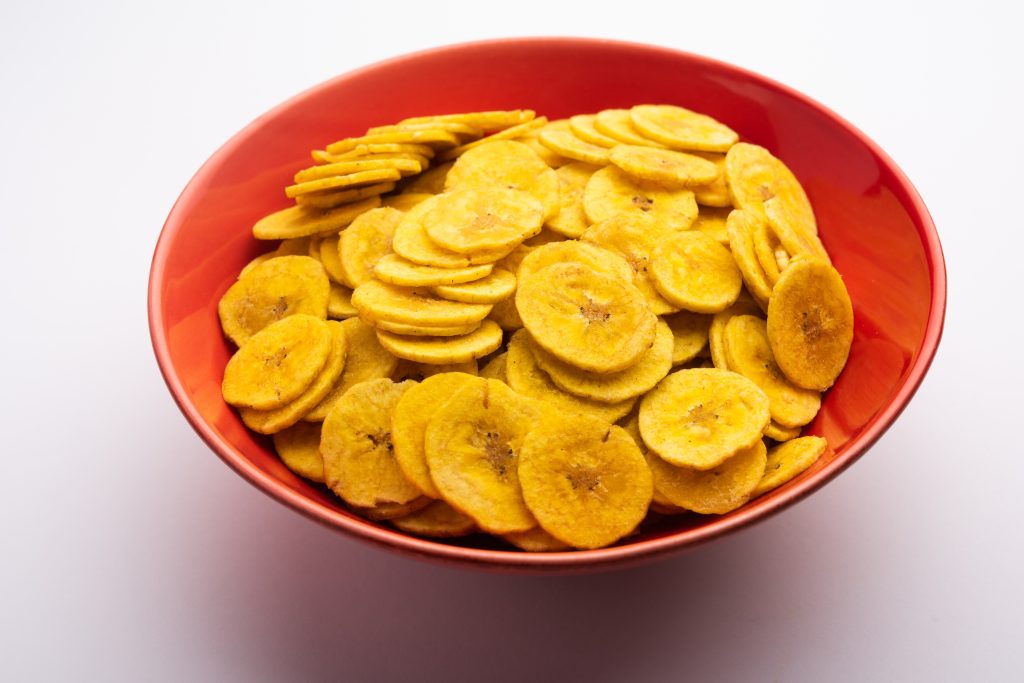
Similar technique with jackfruit Denser, chewier texture Unique sweet-savory flavor
5. Tapioca Chips
Kerala’s other favorite chip Different cutting styles Drier, crunchier texture
Insider Knowledge
Watch skilled climbers scale 60-foot trees to collect wild honey from giant rock bee hives. Learn about seasonal harvesting cycles that ensure bee colony survival. Taste different honey varieties each with distinct flavors based on forest flowers.
1:00 - 1:30 PM: Vegetable Market Ethnobotany
Navigate the vibrant vegetable section discovering Kerala-specific produce:
Unique Vegetables:
Chembu (Colocasia/Taro): Different varieties, cooking methods
Vazhakoombu (Banana Flower): Preparation techniques to remove bitterness
Cultural Context: Your food historian explains coastal Muslim community's culinary contributions, fishing economy connections, and why Thiruvananthapuram's seafood street food differs from northern Kerala.
2:30 PM - 4:00 PM Traditional Crafts Immersion
2:30 PM
Heritage Artisan Workshops (Exclusive Access)
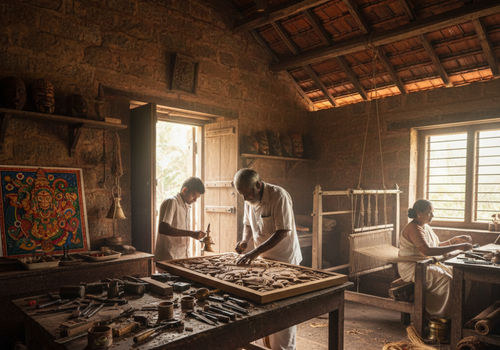
2:30 - 3:15 PM: Heritage Printing Press
Location: Mathrubhumi or similar heritage press (special access arranged)
What You'll Experience:
Historical Context:
Kerala’s printing history from palm leaf to letterpress
Role of printing in social reform movements
Malayalam script evolution
Legacy publications and rare books
Workshop Tour:
Vintage letterpress machines still operational
Malayalam metal type sorting systems
Traditional bookbinding techniques
Paper selection and quality testing
Demonstration of hand-setting Malayalam type
Interactive Elements:
Try setting your name in Malayalam script
Operate a small hand-press
Print a souvenir page on heritage paper
Meet master printers with 40+ years experience
Rare Archive Access:
Historical newspapers from Indian independence era
First edition Malayalam literary works
Vintage advertising posters
Royal family proclamations
Why This Matters: Understanding how print democratized knowledge in Kerala, contributing to the state's 96%+ literacy rate.
3:15 - 4:00 PM: Silversmith Artisan Workshop
Location: Traditional jewelry making quarter (specific workshop with prior arrangement)
Artisan Craft Demonstration:
Meet the Master Silversmith:
Fourth or fifth-generation jeweler maintaining traditional Travancore royal court techniques.
Techniques Demonstrated:
1. Filigree Work (Taar Bhutti):
Creating intricate silver wire patterns
Soldering techniques without visible joints
Traditional design motifs (peacock, lotus, temple architecture)
Applications in jewelry and decorative objects
2. Repousse & Chasing:
Hammering designs from reverse side
Creating relief patterns in silver sheets
Traditional tools handmade by blacksmiths
Deity figures and floral patterns
3. Granulation:
Attaching tiny silver balls to surface
Ancient Travancore technique
Creating texture and dimension
Jewelry applications
4. Enameling (Minakari - if specialized):
Colored glass powder application
Firing techniques
Vibrant color creation
Kerala’s unique color palettes
Jewelry Types Explained:
Traditional Kerala Ornaments:
Palakka Mala: Coin necklaces from Travancore era
Elakkathali: Traditional chain styles
Nagapadam: Serpent hood pendants
Kasumala: Coin garland designs
Temple Jewelry:
Deity ornament making
Sacred metal composition
Ritual significance
Restoration of antique pieces
Hands-On Experience:
Try basic hammering techniques
Polish a small silver piece
Understand metal purity testing (traditional methods)
Learn design symbolism
Purchase Opportunity:
Support artisans by purchasing:
Small filigree earrings or pendants
Traditional silver lamps
Decorative boxes
Custom designs (if ordering ahead)
Artisan Conversation:
Your guide facilitates meaningful exchange about:
Challenges preserving traditional crafts
Competition from machine-made jewelry
Training next generation artisans
Cultural significance of their work
Government support programs
4:00 PM - Final Food Marathon & Cultural Connections