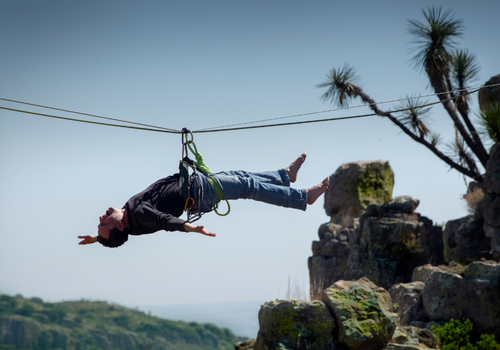
Jatayu Earth's Center & Adventure Sports
COMPLETE EXPERIENCE GUIDE
Duration: 09 hours
Distance from Unwind Hotels: ~60 km
Elevation: 350m above sea level
Difficulty: Moderate to Challenging
4:30 AM - Pre-Dawn Departure from Unwind Hotels
Travel Time: 2 hours through winding mountain roads
Just a 5-minute drive from the elephant camp, stop at the picturesque Neyyar Dam. The reservoir, surrounded by lush hills, offers breathtaking views and a refreshing breeze. Take a short walk along the dam wall, enjoy the panoramic mountain vistas, and spot local birdlife including cormorants and kingfishers.
What to Expect: Cool morning air, starlit skies, and the anticipation of entering one of South India's most biodiverse regions.
Arrival at Bonacaud/Kottur Base Camp
6:30 AM – 7:15 AM | Base Camp
Pre-Trek Preparation (6:30 AM – 7:15 AM)
6:30 - 6:45 AM
Registration & Briefing
Meet your expert naturalist guide and Kani tribal forest guide at the Forest Department checkpoint. Complete mandatory registration (Agasthyakoodam is a protected reserve requiring permits). Your Kani guide, whose ancestors have lived in these forests for millennia, will lead you through ancestral paths unknown to most outsiders.
6:45 - 7:00 AM
Equipment Check & Safety Protocol
Receive trekking poles, basic first aid kit, and trail essentials. Your guide briefs you on:
Wildlife encounter protocols (especially wild elephants and gaur)
Leave-no-trace principles in sacred tribal lands
Identification of medicinal plants you’ll encounter
Emergency communication procedures
7:00 - 7:15 AM
Traditional Forest Blessing
Participate in a brief Kani tribal ritual seeking permission from the forest spirits. Your guide offers betel leaves and flowers to the forest deities a humbling reminder that you’re entering sacred ancestral land. This isn’t performative tourism; it’s genuine tribal tradition maintained for centuries.
Phase 1: Lower Elevation Forest Trail
(7:15 AM - 9:30 AM)
7:15 AM - Trek Begins: Entering the Shola Forests
7:15 - 8:45 AM: The Ethnobotany Corridor
Trek through dense tropical evergreen forest along a well-marked but challenging trail. Your Kani guide transforms the hike into a living classroom:
What You'll Experience:
Stop every 100 meters as your guide identifies plants, demonstrating traditional preparation methods
Learn to identify trees by bark texture, leaf shape, and medicinal properties
Hear folklore about each plant’s discovery and spiritual significance
Collect fallen leaves and seeds for your ethnobotany kit (sustainable harvesting only)
Medicinal Plant Discoveries:
- Arogyapacha (Trichopus zeylanicus) – The “ginseng of Kerala,” traditionally used for stamina
- Kurunthotti – Natural antibiotic used for wound healing
- Muthanga – Tribal remedy for respiratory ailments
- Karimkurinji (rare Strobilanthes) – Blooms once every 12 years
8:45 - 9:30 AM: First Wildlife Zone
Enter the transition zone between lower and mid-elevation forests. This area teems with wildlife:
Potential Sightings:
- Malabar Giant Squirrel – Vibrant rust-colored squirrels the size of small cats
- Lion-tailed Macaques – Endangered primates with distinctive silver manes
- Great Hornbill – Massive birds with distinctive calls echoing through canopy
- Nilgiri Langur – Graceful primates swinging through upper branches
Your guide uses traditional Kani tracking methods reading animal prints, identifying scat, and interpreting bird alarm calls. The forest comes alive through their ancestral knowledge.
Morning Snack Break: Fresh seasonal fruits, trail mix, and glucose water at a scenic viewpoint overlooking the Western Ghats valleys.
Kani Tribal Settlement Visit
Cultural Immersion (9:30 AM – 11:45 AM)
9:30 - 10:15 AM
Village Welcome Ceremony
Arrive at a traditional Kani settlement nestled in a forest clearing. The village consists of 15-20 families living in harmony with nature, practicing sustainable forest management passed down through 200+ generations.
Welcome Ritual:
- Traditional greeting with betel leaves and local honey
- Introduction to the village elder (mooppan) who shares oral history
- Ceremonial offering at the community shrine
- Presentation of your gift (arranged by Unwind Hotels usually educational supplies or medicinal provisions)
10:15 - 11:00 AM: Traditional Lifestyle Demonstration
Honey Harvesting Techniques:
Watch skilled climbers scale 60-foot trees to collect wild honey from giant rock bee hives. Learn about seasonal harvesting cycles that ensure bee colony survival. Taste different honey varieties each with distinct flavors based on forest flowers.
Bamboo Craft Workshop:
Tribal artisans demonstrate creating household items baskets, mats, and storage containers using techniques requiring no modern tools. Try your hand at basic weaving under patient instruction.
Forest Medicine Preparation:
The village healer (vaidyan) demonstrates preparing traditional remedies:
- Grinding herbs on stone mortars
- Creating poultices for joint pain
- Preparing kashayam (medicinal decoctions) for immunity
- Mixing natural insect repellents
Sustainable Living Practices:
- Water harvesting from mountain springs
- Organic cultivation in forest clearings (cardamom, turmeric, ginger)
- Natural pest management using companion planting
- Zero-waste lifestyle examples
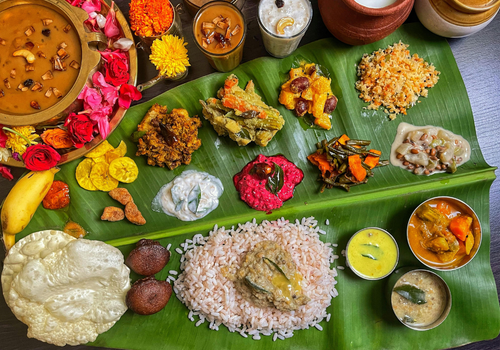
11:00 - 11:45 AM: Traditional Tribal Lunch
Experience authentic Kani cuisine prepared by village women using forest ingredients:
Menu Highlights:
- Katti Choru – Red rice cooked in bamboo tubes over open fire
- Cheera Thoran – Wild forest greens stir-fried with coconut
- Meen Pollichathu – Stream fish wrapped in banana leaves with herbs
- Kappa – Tapioca with spicy coconut chutney
- Olan – Ash gourd curry in coconut milk
- Pineapple Pachadi – Sweet and tangy pineapple curry
- Tribal Coffee – Made from wild-grown beans, cardamom, and jaggery
Eat on banana leaves while seated on woven mats, learning traditional serving customs.
Women share cooking techniques, preserving methods, and the cultural significance of each dish.
Cultural Exchange:
This intimate setting allows meaningful conversation (through translators if needed) about:
- Challenges of preserving tribal identity in modern times
- Traditional ecological knowledge and forest conservation
- Tribal children’s education and future aspirations
- Sacred festivals and seasonal celebrations
11:45 AM
Mid-Elevation Trek: Advancing Toward Base Camp
Phase 2:
Shola-Grassland Ecosystem
(11:45 AM - 2:15 PM)
11:45 AM - 1:00 PM: Cloud Forest Ascent
Resume trekking into higher elevations where the landscape transforms dramatically:
Ecological Transition:
- Dense shola forests (stunted montane evergreen patches)
- Rolling grasslands between forest patches
- Increasing occurrence of endemic species
- Temperature drops, mist rolls in
- Landscape becomes otherworldly and dramatic
Endemic Flora Discoveries:
- Neelakurinji – Purple flowers that bloom every 12 years (if visiting during bloom year 2030, 2042, etc.)
- Rare Orchids – Over 50 endemic species including jewel orchids and slipper orchids
- Carnivorous Sundews – Tiny plants thrapping insects on grassland slopes
- Rhododendrons – Pink and white blooms at higher elevations
1:00 - 1:30 PM: Wildlife Observation Point
Reach an elevated clearing offering panoramic views and prime wildlife spotting:
Target Species:
- Nilgiri Tahr – Mountain goats precariously balanced on cliff faces (endemic and endangered)
- Gaur (Indian Bison) – Massive bovines grazing in grasslands
- Sambar Deer – Largest Indian deer species
- White-bellied Treepie – Endemic bird species
- Nilgiri Pipit – Endangered grassland bird
Your naturalist guide uses binoculars and spotting scopes to locate distant wildlife. Learn animal behavior patterns and conservation challenges each species faces.
At approximately 1,200-1,400 meters elevation, you're surrounded by:
- 360-degree views of Western Ghats mountain ranges
- Valleys carpeted in green extending to the horizon
- Sacred Agasthyakoodam peak visible in the distance (1,868 meters)
- Cloud formations sweeping through valleys below
1:30 - 2:15 PM:
Base Camp Arrival
Reach the designated base camp viewpoint (summit requires multi-day permit and is often restricted).
Lunch Break:
Light packed lunch from the morning (sandwiches, fruits, energy bars, electrolyte drinks). Hot tea prepared on portable stove. Rest, photograph, and absorb the profound silence of high-altitude wilderness.
Spiritual Significance:
Your guide shares the mythology of Agasthyakoodam believed to be the abode of Sage Agastya, one of Hindu mythology’s seven sages. The mountain remains sacred to both Hindus and tribal communities, hence the conservation restrictions protecting it from mass tourism.
Phase 3:
Return Journey
(2:15 PM - 4:30 PM)
2:15 PM - Descent & Final Forest Encounters
2:15 - 3:30 PM
Slower Descent with Photography Focus
Resume trekking into higher elevations where the landscape transforms dramatically:
Afternoon Wildlife Activity:
- Increased bird activity as temperature cools
- Butterflies emerging in sunny patches
- Fresh animal tracks crossing the trail
- Insect orchestras crescendoing in the understory
Photography Opportunities:
- Macro shots of endemic flowers and insects
- Landscape vistas with afternoon light
- Candid portraits with tribal guide (with permission)
- Waterfall cascades and mountain streams
3:30 - 4:15 PM: Medicinal Plant Workshop
Stop at a forest clearing for hands-on ethnobotany session:
Interactive Learning:
- Identify 10-15 key medicinal plants
- Learn traditional preparation methods and dosages
- Understand seasonal harvesting ethics
- Create simple remedies to take home (dried herbs, instructions)
Your Kani guide demonstrates sustainable harvesting taking only what's needed, never uprooting, and offering prayers of gratitude. This ancient wisdom represents millennia of trial, error, and deep ecological understanding.
4:15 - 4:30 PM: Final Descent to Base Camp
Return to the forest checkpoint, completing the circular route. Reflect on the day's profound experiences while your body processes 10-12 kilometers of mountain terrain.
4:30 PM - Farewell & Cultural Exchange
4:30 – 5:00 PM: Closing Ceremony
Certificate Presentation:
Receive a personalized completion certificate acknowledging your participation in tribal cultural exchange and conservation awareness.
Ethnobotany Kit:
Take home a curated collection including:
- Dried medicinal herb samples with usage instructions
- Handmade bamboo container crafted by tribal artisans
- Field guide to forest medicinal plants
- Recipe booklet for tribal remedies and traditional dishes
Final Conversations:
Exchange contact information with your tribal guides (many communities now maintain WhatsApp groups for sustainable tourism connections). Discuss how tourism revenue supports tribal education, healthcare, and cultural preservation.
Community Support:
A portion of your trip fee directly funds tribal community projects understand exactly where your money goes and the impact it creates.
5:00 PM - Return Journey to Unwind Hotels
Travel Time: 2 hours through sunset mountain roads
Relax in air-conditioned comfort while processing the day’s experiences. Your driver navigates winding ghats as golden light paints the mountains. Arrive at Unwind Hotels by 7:00 PM, just in time for a restorative swim or beachfront sunset.
Evening Wind-Down (Optional)
7:30 PM: Ayurvedic massage focusing on tired trekking muscles
8:30 PM: Special tribal-inspired dinner at our restaurant featuring dishes learned during your visit
9:00 PM: Share photos and stories with fellow guests, perhaps inspiring their own adventure
Package Inclusions
What’s Included:
Transportation:
Private AC vehicle with experienced mountain driver Fuel, parking, and toll charges
Expert Guidance:
Certified naturalist guide (English/Hindi speaking)
Kani tribal forest guide (with translator if needed)
Forest Department permits and coordination
Meals & Refreshments:
Pre-trek breakfast box
Traditional tribal lunch in village
Trail snacks and hydration supplies
Evening refreshments
Equipment & Safety:
Trekking poles
First aid kit and emergency communication
Binoculars and spotting scope
Forest permits and insurance
Cultural Experiences:
Village entry and welcome ceremony
Craft demonstrations and workshops
Ethnobotany field session
Take-home medicinal plant kit
Documentation:
Professional photography assistance (guide captures key moments)
Completion certificate
Digital field guide to species encountered
What to Bring:
Essential Gear:
Sturdy hiking boots (ankle support crucial)
Lightweight, moisture-wicking clothing (earth tones preferred)
Rain jacket (weather changes rapidly at elevation)
Hat, sunglasses, and high-SPF sunscreen
Small daypack (20-30L capacity)
Personal Items:
Reusable water bottle (2L minimum)
Energy snacks (nuts, chocolate, dried fruit)
Personal medications
Insect repellent (natural preferred)
Camera with extra batteries/memory cards
Binoculars (if you have them)
Respectful Attire:
Modest clothing for tribal village (covered shoulders/knees)
Closed-toe shoes throughout
Avoid bright colors that disturb wildlife
Important Guidelines
Physical Requirements:
Fitness Level: Moderate to good fitness required
Ability to walk 10-12 km over varied terrain
Comfort with 600-800m elevation gain
No severe knee/back problems
Cardiovascular health for high altitude
Age Restrictions: 12-65 years (exceptions with medical clearance)
Not Suitable For:
Pregnant women
Individuals with severe respiratory conditions
Those with recent surgeries or injuries
People with mobility limitations
Documentation:
Professional photography assistance (guide captures key moments)
Completion certificate
Digital field guide to species encountered
Weather Considerations:
Best Season: October – March (dry, clear skies, optimal wildlife viewing)
Monsoon Season (June-September):
Trek possible but challenging
Leeches abundant
Reduced visibility
Slippery trails
Advance booking essential
Summer (April-May):
Hotter temperatures
Less wildlife activity midday
Earlier start times recommended
Conservation & Cultural Ethics:
Sacred Land Protocols:
Follow all tribal customs and restrictions
No littering (carry all waste back)
No collection of plants/animals without guide permission
Respectful photography (always ask permission)
No smoking or alcohol in forest/village
Wildlife Guidelines:
Maintain 30+ meter distance from animals
No feeding wildlife
Quiet observation only
Follow guide instructions during encounters
Tribal Community Respect:
Photography only with explicit consent
No intrusive questions about personal beliefs
Appropriate dress in village areas
Accept hospitality graciously
Support community initiatives
Safety & Emergency Protocols
Medical Support:
First aid trained guides
Emergency evacuation procedures
Nearest hospital: 45 minutes from base camp
Mobile coverage intermittent (emergency satellite phone available)
Wildlife Safety:
Elephant/gaur encounter protocols briefed
Snake awareness (most are non-venomous)
Insect protection measures
Emergency whistle provided
Weather Contingencies:
Trek postponed in severe weather Alternative indoor cultural programs arranged Full refund or reschedule option